Inspired Fashion Reports from Asia

29 July 2010

Indian Fashion Weeks (and too many weeks) Couture 2010

Love the very Bollywood style set, with exception of the glaring signage on the back set wall, dress has potential...


Lovely backing


Model Lisa Hayden (on of India's top models) on runway for Manav Gangwani's show


I met with IMG India, whom runs the Mumbai Fashion week, which perhaps is the foremost show in India at the moment. I was told that India has about 25+ fashion shows (most 1st and 2nd tier cities are hosting them) along with mens and couture every year. I am a huge supporter of Indian designers and the growth of the industry world-wide. Yet, similar to many elements in India that are frustrating (government and lack of infrastructure--both utterly time consuming), the fashion industries lack of strategy is frustrating. First off, there should be only 1 fashion week, held 2x/year (and not during the NYC/Paris/Milan junket) highlighting the best of the best, rather than allowing anyone enter whom has the funds. During each show week, all designers share the same stylist, hair & makeup and models, which doesn’t allow for much ingenuity. Hair, makeup and styling comes across too extreme, the west only pays attention the poor styling rather than the intricacy of the clothing. Case in point, the latest couture shows.

If India really wants the west to notice its designs, and we do recognize your talent (many major western designers are getting their beading and embroidery work done here), they have to play the game. National and regional identity is one thing, but overwhelming the west with too many mediocre designers won’t help. There are some fantastic houses here, more which I will cover in my blog. A unified show week, will enable buyers to see the best of the best, including individual clients whom may want something made custom, is the way India must proceed. A few years ago, I met with the embroidery designers whom did all the costumes for the movie Elizabeth in Bangalore (designers I will review), their work is mind-blowing and leads me to think, what unique wedding gowns they could make for the west.

The fashion talent has arrived in India, yet the execution and strategy is lacking. Seems to be a national problem. Sorry mother India. I can love you and be critical of you as well.

27 July 2010

Hong Kong's Stylish Domestic Workers


Per my earlier post, think there is a larger story here....

Mainland Shoppers in HK

Louis Vuitton, where there is always a line to enter on the weekends


Typical Saturday afternoon in Chanel


Early on I learned that there is a Chinese divide, those whom are from Hong Kong and those from the Mainland. Those in HK think less of the mainlanders, assuming they are unsophisticated, speak loudly and have poor manners. It is not for me to judge, but I do think I understand a bit, for us New Yorkers view those from NJ in the same manner. And similar to those in NJ spending 100s of dollars in NYC, the mainlanders spend thousands and millions individually in Hong Kong. For many reasons (lack of sales tax, HK being the closest proximity to the "western" shopping market, security that they are purchasing "real" goods, not knock off, and the need for many wealthy Chinese to unload cash), the mainlanders are the ones supporting all of these luxury stores. They come in huge tour groups and most recently as individuals (before 2003, they were only allowed in groups or for business) easily spending thousands of dollars. The average spend for overnight is about $600 specifically for shopping. And rather than spend (I will get to this issue later in my blog) on expensive hotels and restaurants, their main purpose is to shop for luxury goods. Approximately 70% of all tourism is from the Chinese shopper. For those more interested, in the divide between the Hong Kong citizens and the mainlanders, check the link below. It details a latest uproar, around HK based tour guides basically bullying mainlanders into buying products. The attitude seems to be, if you invade our island, you better buy and buy a lot to support our economy....

WSJ Article

23 July 2010

Hong Kong Umbrellas


It is quite fashionable in Hong Kong to carry an umbrella. And unlike, India, it is easy to find an umbrella, they are everywhere. Even the 7-11's (they are like Starbucks in the US, in terms of presence) have their own branded umbrella (in multi-rainbow colors). I am wondering when Louis Vuitton will come out with their $1000 USD version (mainland Chinese would buy it). Or perhaps, they already have.

Yes, these umbrellas protect during rainy season, but most importantly they protect the Asian (female) skin from sun damage. Women here are fanatical about maintaining white skin. Wait, Indians are the same, think this is a colonialist bi-product. When the British invaded both HK and India, the English ladies had parasols glued to their fingers.

Oh, and bring your own sunscreen to HK, unless you prefer UV 80+

Shopping In India, Why Tradition Maintains its Strength

Typical Shopping mall, no wonder Indian's don't prefer them


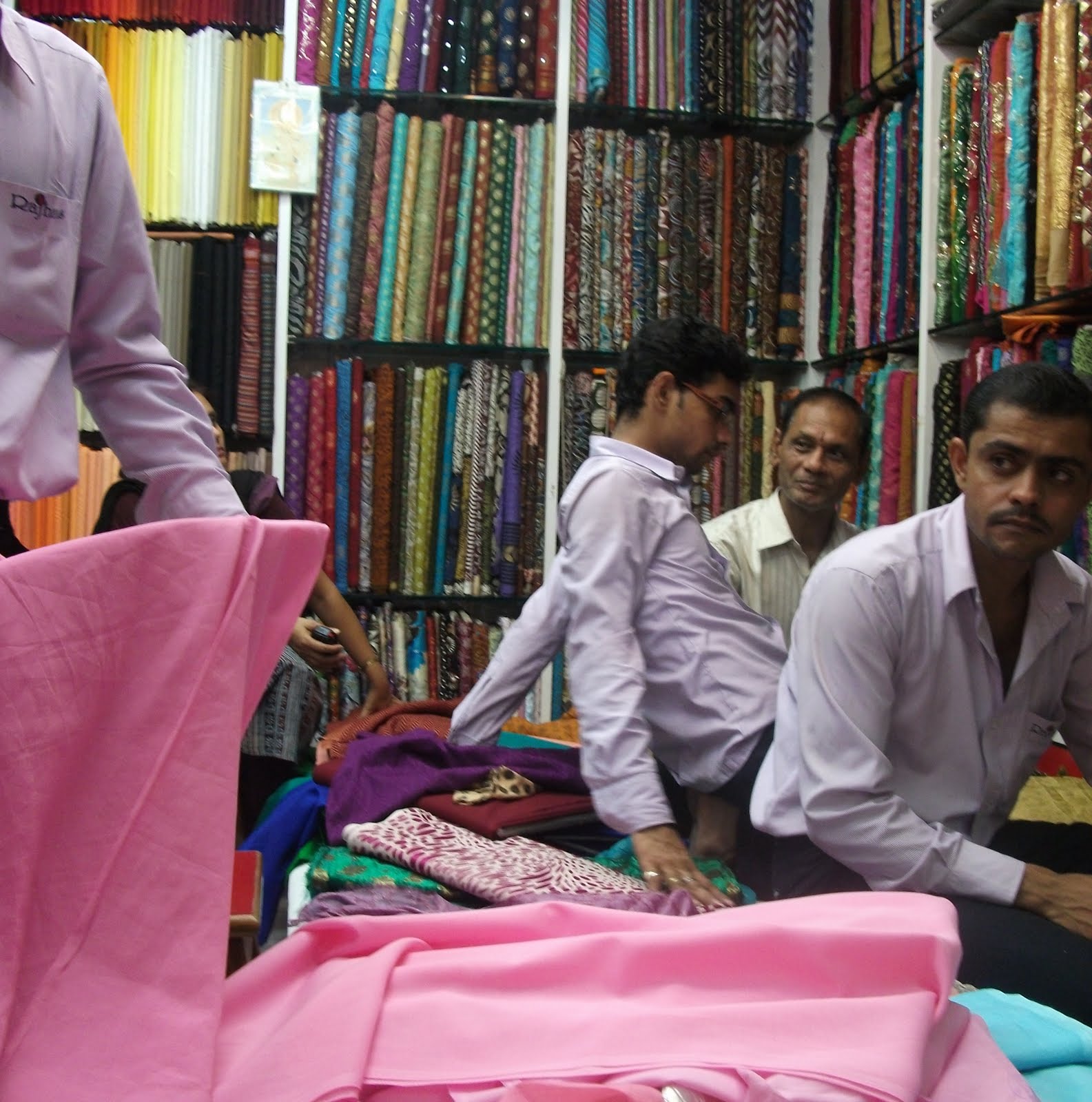
Typical store in India, lots of inventory to dig through


Can't imagine any other way of fabric/sari shopping


According to Forbes Magazine, India has the fastest growing population of millionaires in the world. WIth this glaring statistic, it is no surprise why many luxury clothing companies are trying to enter the marketplace, yet at the same time, many in the market are facing challenges. I walked by the Galleria Mall near the Oberoi in South Mumbai, Jimmy Choo and Gucci were empty, for hours. Most elite, prefer to do their shopping whilst traveling abroad, where there is larger selection and no import luxury tax (which at times increases prices up to 20%). And most of the these luxury brands entered the market treating India as one marketplace, rather than understanding that every region is significantly different than one another, from culture, preferences, language, style and attitude. The boom will come, but it will take 5 to 10 years. These brands, as we know, have deep pockets, and they are here for the long haul. FYI, the luxury market is expected to grow to $30.5 billion by 2015, from 3.5 billion this year.

Within the middle class, India has high hopes on the success of malls, which emerged in the market about 7 years ago. Today, there are about 100 malls throughout India, and according to the IIndian Economic Times, only 20-25% of these are successful.

Perhaps the western approach to shopping, particularly around the culture of shopping and merchandising, doesn't work in India.

Case in point, it appears most people like the bargaining element of shopping, the crowded inventory, and the one to one relationship you develop when looking at items. In most stores, clothing is not hung, but rather placed on shelves. You can spend hours in a store, looking at the inventory, which requires a salesperson to show you his or her collection. In the mass market, this is still the preference. Malls are for touring and socializing, but the real source of revenue maintains its presence in such pictured establishments. It makes sense, it is more personal and familial.

The beauty of India, is that no matter what the West brings, the Indian's will adjust it to their own taste preferences. Coffee must be very sweet, clothing must have embellishments.

Unlike China, where its all about the attaining the Western status, the South Asian taste seems to be too deep and rich to penetrate.

22 July 2010

Umbrella's, Raincoats, Wellies..Not In India

Monsoon Wedding, the perfect name for my pop up shop idea


Vogue India is a bit out of touch, $80 USD for an umbrella, in India?


Its a magical time...despite the lack of umbrellas, view looking out from my flat


It is monsoon season in India, out of nowhere, rains, heavy ones, fall out of the sky. No one is ever prepared. Not only is it tough to get around and find a taxi, but it is even more of a challenge to find an umbrella. Indians are similar to New Yorkers, they never carry umbrellas and can never find them when they need one. I keep searching for pop up stores throughout Mumbai, in little spaces and make-shift stands, that sale raincoats, wellies and umbrellas at affordable prices for the burgeoning middle class (sorry Vogue India, but those in India whom can afford a $80 umbrella never walk in the rain, they have drivers, at all times). Seasonal stores, don't seem to exist, yet make-shift stands and street shopping are abundant.

Rain gear can be made is masses, relatively cheap, and what Indian woman doesn't like prints and bright colors, both perfectly suitable for rain gear. A necessary purchase each season. And usually a repurchase each season..you always loose these items. 1.2 billion people. Millions get caught in the rain daily. You do the math. I get 20% if anyone takes this idea and runs with it.

21 July 2010

Mall Review-The Island Beverly


Mall shopping, in the west, feels so 1980s, yet in Hong Kong and other Asian destinations, malls are a vital part of the shopping experience (one could argue, they are the shopping experience). I have asked many locals and most believe there are upwards of 100+ shopping centers. And all have their unique feel. Perhaps my hands down favorite (and for this reason, the first to review) is The Island Beverly, in Causeway Bay, HK. It is full of closet sized shops, with designers from Hong Kong, Korea, and Japan. The shops are trendy, girlie, edgy, and funky. Clothing and shoes dominate, but you can also find undergarments and accessories. The prices are affordable and product changes on a weekly basis. Forget about trying on clothes, seems most shops don't allow, but that just adds to the chance purchase and experience.